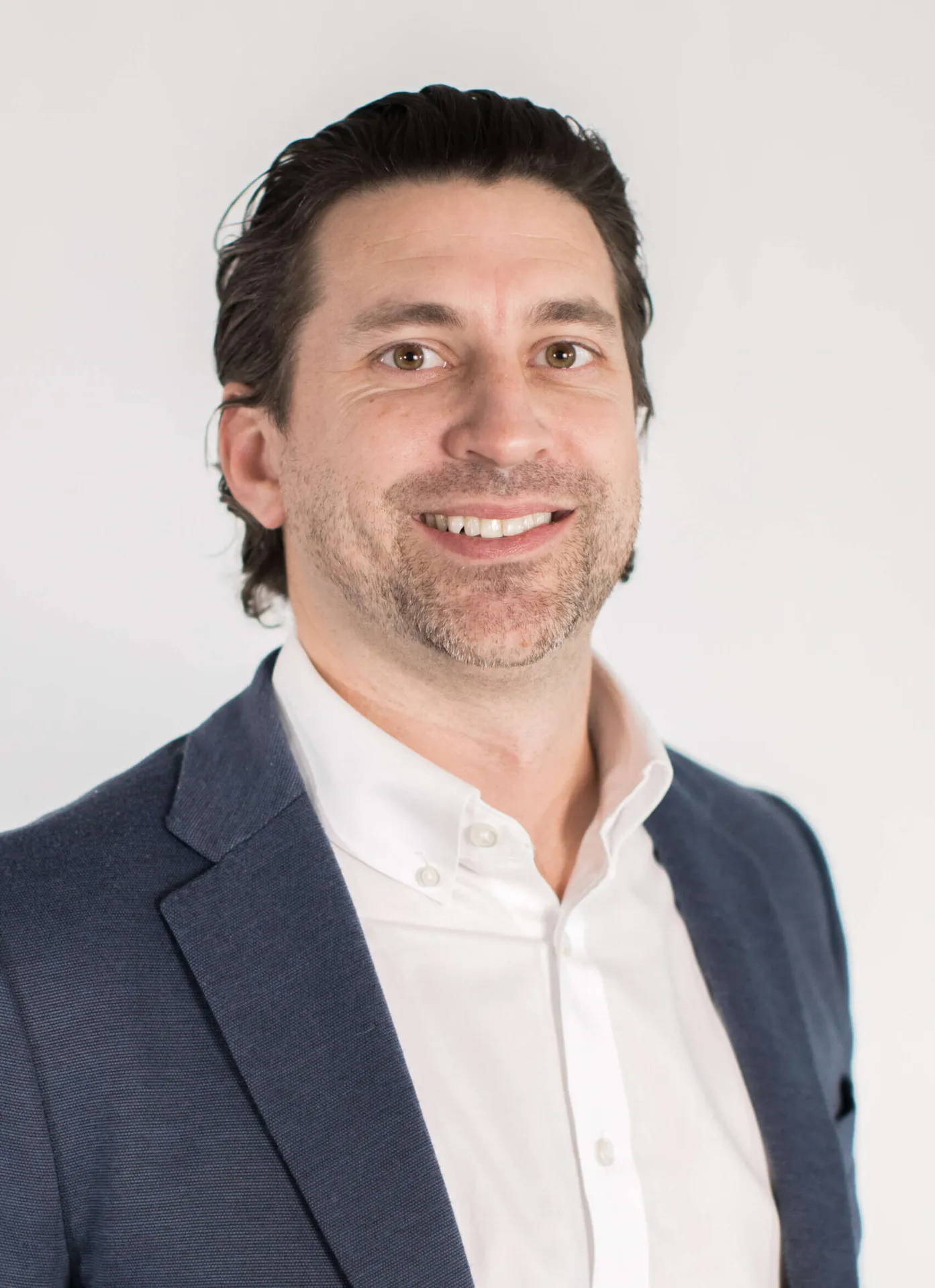
Dr. Brion Long had just returned from an Orthopreneurs meeting where one of his colleagues, Dr. Mark Farina, who was a TUSK client at the time, shared his experience navigating the sale of his practice and the lessons he learned throughout the process. The conversation stuck with him, as did Dr. Farina’s advice: Even if you don’t decide to sell, you should always understand your practice value.
So, Dr. Long called TUSK. We sat down, ran the analysis, and ended up advising him not to sell. At least not this year. One of our core values at TUSK Practice Sales is Honesty with Empathy. We believe in constructive criticism, valuable feedback, and recognizing that the right thing to say is not always what someone wants to hear. Our analysis wasn’t the answer Dr. Long was hoping to hear, but it was truthful, and we felt it was the right one. We believed there was still plenty of upside in the practice, and that with a little more time spent working on the business, he would be in a much stronger position.
Three years later, he still talks about how that conversation changed the trajectory of his practice.
Your production share is someone else’s risk calculation
Back when we dug into Dr. Long’s numbers in 2022, his practice looked strong on the surface. He’d just finished building a second office on the same property, had two pediatric dentists on staff, around 15 people total, and was still growing.
But he was also personally responsible for about 75% of the practice’s revenue.
Key-man risk matters more than most owners realize and it’s one of the first things a buyer takes into consideration. What does this practice look like when the owner steps back? What stays, and what walks out the door with him?
What set Dr. Long apart from most owners was the steps he took next to improve his position. Over the next three years, he brought on two more orthodontists and a third pediatric dentist. His team grew from 15 people to more than 40, and his personal share of clinical production dropped from 75% to around 17%.
I’ve had this conversation with a lot of practice owners and recognize the difficulty of taking a step back from the clinical side. However, when Dr. Long made that transition, it made a material difference in his practice value today.
How Dr. Long Learned to Scale Back Without Stepping Away
Stepping back from clinical production is often one of the hardest transitions an owner makes.
You’ve spent years building your clinical skills. You know exactly how you want cases handled, how you’d do it yourself, what “good” looks like in your hands. And now you’re asking someone else, often younger or still finding their rhythm, to carry that same standard without you in the room.
Dr. Long put it simply: “You’re jumping into a skillset that you haven’t really been taught.” Dental school doesn’t teach you how to build systems or scale a team.
So, he made a decision to surround himself with people who had already been through it. He joined groups like Orthopreneurs, the Bulletproof Mastermind, and the Dental Entrepreneur Organization, which became his classrooms for a completely different kind of education: systems thinking, leadership, hiring for culture instead of just credentials, and building accountability that doesn’t rely on him being in every room.
When it came to hiring his first associate, he was intentional about the process. The first six months were about working side by side. What surprised him was that it wasn’t just him teaching; his associate brought different training and habits that helped him learn as well. It ended up feeling less like a handoff and more like two doctors learning from each other.
Through all of it, one takeaway Dr. Long emphasizes is culture fit. “Your patients won’t remember the clinical decisions you made, but they will remember how you made them feel.” If you find someone who consistently makes patients feel seen, safe, and cared for, you are not just hiring an associate; you are building a strong cultural foundation rooted in the same values that you can scale around.
Timing matters more than most owners realize
Dr. Long is opening a third location, about 30 minutes south of his main practice in Tallahassee. It’s a decision that required a lot of thought, consideration, and perspective.
New locations bleed EBITDA in the first year or two. In orthodontics especially, the revenue cycle means you’re doing starts, collecting down payments, and then watching monthly payments trickle in over the life of treatment. That lag doesn’t show up on your P&L in a way that creates practice value overnight; it takes time to season.
We’ve had clients build genuinely great businesses, open a new location, and then come to us six months later wanting to go to market. Their analysis then usually looks worse than it should, not because anything broke, but because the timing makes the trajectory invisible to a buyer who’s only looking at the last twelve months.
“I remember you saying those first couple of years are probably going to compress your EBITDA,” Dr. Long said. “It’s just nice to have someone you can think through that stuff with before you make the move.”
That’s the real value of staying in conversation with an advisor over time. The judgment calls that happen between now and whenever you eventually decide to sell, if that is in your timeline.
Build it like you might sell it, even if you never do
It’s important to build a business as if you might sell it one day, even if you never actually do.
When a practice is profitable, not overly dependent on the owner, and supported by real systems and a capable team, you stay in control of the ending. You can sell to an OSO or DSO and take a meaningful exit. You can transition it to a private doctor on terms you set. Or you can keep it, step back clinically over time, and let it produce cash flow for years. The point is, you still have options.
When it’s not built that way, those options start to disappear. A practice can become too expensive for another doctor to buy, which removes the private sale route. At the same time, if the owner hasn’t extracted enough value along the way, retirement can’t be funded without a transaction. Eventually, the DSO route isn’t a choice anymore; it’s the only viable path left.
I see this often with owners who spent 20 to 30 years building their business, only to find that the ending feels more limited than expected. That outcome is almost always preventable, but it requires thinking about the end of the story while you’re still in the middle of it.
Why Dr. Long still calls every year
Dr. Long has stayed in regular contact with TUSK since 2022. I asked him what encourages him to pick up the phone and stay connected with TUSK, especially given that he’s in multiple communities, has strong advisors, and is running a business that’s already performing well.
His answer was: “The market is always changing. I want to stay informed. Work-back periods look different from how they did in 2022. Deal structures have shifted. You see things I don’t, and I want an expert in my corner who lives in this every day.”
OSO and DSO buyers run professional deal teams. Their job is to structure transactions in their favor, and they do it every day. Knowing what terms actually look like right now, what’s negotiable, and what’s standard isn’t something you pick up casually in a group chat or a Facebook forum. It comes from people who are actively in deals.
And none of that requires you to be ready to sell. It just requires you to care enough to understand what your options really are.
The First Step Is Knowing Where You Stand
The situation Dr. Long was in when he first called isn’t uncommon. What’s less common is that he took what he learned and actually built around it. Most owners walk away from a valuation analysis knowing things about their own business they didn’t know going in. Owners gain a better understanding of their practice’s value, where risk is hiding in their numbers, and what it would actually take to move the needle before a sale. That’s useful information regardless of your timeline.
If you’re a practice owner who wants an honest read on what your practice is worth today and what it could look like in two or three years, that’s exactly what a TUSKVal is designed for. No commitment, no pressure, just a real conversation with advisors who work exclusively on the sell side.
Reach out at [email protected] or visit TuskPracticeSales.com to schedule a confidential valuation call.
Frequently Asked Questions
What is a TUSKVal, and why would I want one if I'm not planning to sell?
A TUSKVal is a complimentary EBITDA analysis that shows you what your practice looks like through the eyes of a buyer. For owners who aren’t selling, it’s a business diagnostic: where are costs above benchmark, where does key-man risk exist, where are your biggest opportunities to build value? TUSK Practice Sales has completed more than 200 practice transactions, and the patterns we see at the closing table are the same ones we surface in a TUSKVal for someone three years from an exit. The point isn’t to get you ready to sell. It’s to make sure you understand the business you’re running.
What is key-man risk, and how much does it actually affect my value?
Key-man risk is the degree to which your practice’s revenue depends on you specifically. It’s one of the primary factors determining where your business falls within the range of available multiples. A practice where the owner drives 70 percent or more of production will typically receive a lower multiple than a comparable practice with distributed providers, because a buyer is pricing in what happens after you leave. TUSK Practice Sales works with owners wherever they are in that process, whether that means going to market now or spending the next two or three years building toward a stronger valuation before they do.
How does opening a new location affect my practice valuation?
In the short term, it compresses EBITDA. Most new locations operate at a loss for the first one to two years as startup costs and ramp-up time outpace production. In orthodontics specifically, the lag between case starts and recognized revenue extends that window further. If you’re planning a new location and have any chance of going to market in the next three to five years, the timing of that decision matters more than most owners expect. TUSK Practice Sales has worked through this scenario with enough clients to know that the conversation is worth having before you sign a lease.
When should I start thinking about selling my dental practice?
Earlier than feels necessary. TUSK Practice Sales regularly works with orthodontists who are seven or ten years from any planned transition. The owners who come to us with time on their side consistently end up with more options than the ones who call when they’re ready to be done in six months. There’s no cost to the initial conversation, and the information you get from it is useful regardless of when or whether you sell.