


The Medical Aesthetics Legal Roundtable
In this episode of the TUSK Practice Sales Podcast, Kevin Cumbus is joined by Jonathan Eskow, Founder of Eskow Law Group, Justin Marti, Founder of Marti Law Group, and Craig Woods, member of Dykema’s Dental Service Organizations Group, to discuss the crucial role legal documents play in building, scaling, and selling medical aesthetic practices.
The conversation dives into the often-overlooked challenges of structuring partnerships, drafting accurate operating agreements, securing enforceable employment contracts, and navigating equity in transactions—critical steps that determine whether a practice is protected, scalable, and ultimately attractive to buyers. Kevin, Justin, Jon, and Craig share insights on what it takes to safeguard value, avoid costly pitfalls, and position a practice for long-term success.

TUSK Practice Sales
Welcome to the TUSK Practice Sales podcast, the premier podcast featuring the industry’s most influential thought leaders, providing the latest insights and trends for healthcare practice owners across the globe.
Kevin Cumbus
Hello and welcome. I’m Kevin Cumbus, President and Founder of TUSK Practice Sales. You know, I actually really like attorneys. I like attorneys so much I’m married to one, which means I lose every battle at home, every argument at home. I think some of the women audience out there might say that’s because you’re the husband, not because she’s an attorney. But so be it. I’ve had the pleasure of working with each of these gentlemen over the course of my career, and have come to believe that really, your legal documents, I mean, they are your strategy. I think we all hope that we’re going to sign an operating agreement, sign an employment agreement, sign a sales document, and we’re going to put it in the drawer and never look at it again. In a perfect world, that is exactly how it works. But unfortunately, that’s not the way it works every single time. Leading up to the recording of this podcast, I was on the phone with some doctors who are going through a partnership dissolution. The issue is they had a handshake deal. It was going to be a 50/50, partnership. One of them went out and began to upfit the space. She has taken on $500,000 worth of debt. She has transferred patients to this new location. And now the doctor coming in says, “Look, I’m ready to take over 50%, I want to be paid 35% of collections. Oh, by the way, I’m not going to sign up for that debt. You solve that on your end. We never talked about that.” Sadly, situations like this are pretty common, and I would look at this podcast and this conversation really as much as a public service announcement. So, you don’t find yourself in places like so many of our clients have. So, we’re going to kind of take a walk down all the legal documentation that you need from building and originating your business, from bringing in new team members and new hires, possibly bring the partner in, building a new location with the partner, and ultimately selling your business. Guys, this is not like an afterthought. The legal process and the attorney that you work with is critically important. I actually am in regular contact with my attorney. He’s a friend who lives down the street from me, like he is someone that we depend on inside of our business, not like a vendor, but really like a partner. And I can’t imagine where our clients would be without the three guys on this podcast today. So, I just want to start by saying thank you guys for all you do to protect your clients, put your clients in a great spot, fight hard for them, and really set them up for success. So, with that, let’s go ahead and kick it around the horn and Justin, if you can start by introducing yourself, then we’ll go to John and Craig.
Justin Marti
Yeah, well, thank you for that opening, man. I feel empowered and like excited to talk legal, which usually doesn’t happen, right? So, yeah. So I’m Justin Marti with Marti Law Group, we’re based in Connecticut, we work across the country, and there’s really two sides to our firm, one being transactional, all healthcare, lot of M&A, you know, flurry of agreements, whether it’s the operating agreements you talked about, medical director agreements, everything it takes to kind of structure and build that business, and of course, you know, purchase or exit. And the other side of it is pretty heavy compliance, which was never something we really intended, but as we got into this medical aesthetic space, we realized there happened to be a significant lack thereof. So, we have a pretty heavy compliance side to it, which really feeds into the M&A right making sure these places are structured properly. And again, you talked about the employment and the operating agreement. So that’s kind of our business. I have kind of bizarre background. I was a founder of a DSO years before I knew what a DSO was, partnered with the dentist and scaled that up across the Northeast. Exited that decided I love to suffer, so here I am as an attorney now.
Kevin Cumbus
Welcome to the suffering. Justin how can folks get a hold of you, if they if they choose.
Justin Marti
I mean, our website is MartiLawGroup.com, or you can hit [email protected]. I think we’re on all the social platforms as well. So please give us a shout and you know love to help you all.
Kevin Cumbus
We’ve all been tracking your TikTok subscribers. Congratulations on all your success there. Jon?
Jon Eskow
Thanks, Kevin. Really appreciate you having me on here and allowing me to represent Eskow Law Group. My name is Jon Eskow. I’m the founder of Eskow Law Group. We are a boutique healthcare-specific law firm with offices in Boston, Connecticut and Florida. We work with our healthcare clients across the country on all sorts of healthcare related matters. We do a lot in the in the M&A space working both with buyers and with sellers, and we’re really happy to be here today and appreciate you inviting us on.
Kevin Cumbus
Jon, how can folks get a hold of you?
Jon Eskow
Easiest way to get in touch with us is just online. Our website is www.EskowLawGroup.com. You can reach out to me individually at [email protected] and you can find us online in other social media avenues as well.
Kevin Cumbus
Great, Craig?
Craig Woods
All right, thanks for having me on I really appreciate it. Unlike the other two esteemed attorneys on the call, I’m the only one here who doesn’t have a law firm named after me. So, I instead work for Dykema Gossett. We are a national middle market law firm. We have about 400 plus attorneys, kind of one of your typical large law firms that work in various different specialties. In this particular case, we have 400 attorneys, over 65 different specialties. I personally head up our healthcare M&A and transactions Group. We specialize in advising both buy and sell side clients in various different healthcare specialties, everything from as it pertains to this call med aesthetics, plastic surgery, to the other end of the spectrum, with things like orthopedics, urology, pretty much any “ology” we probably work in that space. For the types of people who probably are going to be joining this call, I think all of us here on the call today, as well as Kevin’s group at TUSK, specialize in working on, kind of founder-owned businesses, oftentimes multi-site, looking for outside affiliation and investment opportunities. So hopefully today’s call, we’re not trying to scare anyone with any of the stories that we’re going to tell, probably, but I do think that there are opportunities for folks that tune in to kind of hear what has happened before, learn from that, hopefully apply it. And then if you’re looking to explore an opportunity in the market and work with a group like TUSK, you can be prepared for that when and if that opportunity comes up. So great to have you guys here. And if you need to get a hold of me, pretty easy, we have a web page that’s Dykema, which, honestly, nobody knows how to spell that, but it’s D, Y, K, E, M, A, so Dykema.com or you can email me personally. My email address is [email protected] so look forward to chatting with you guys and having a lively discussion today.
Kevin Cumbus
Awesome, great. We got the introductions done, now we can get down to business. So, so let’s do this. I got a partner, me and my partner had been thinking about building a med spa. What we see one on every corner, and it seems like everybody’s making so much money, it just feels like the right thing for us to do. And we and we say, well, we probably need some paper to memorialize this. The question we get is, when do I need to reach out to the attorney to begin this process? Right? It’s like, how do I even do it? When is too soon? The reality is good legal work is not it’s not cheap. It shouldn’t be. It’s hard work to do what you do. But when should I start to begin the process of having the conversation with the attorney, engage someone to help me build out the documents that that you all believe we’re going to need to ensure an equitable and, you know, kind of, I would say, compliant business model. Jon, you will take that first one?
Jon Eskow
Sure. I would say it’s never too early to have a conversation. It doesn’t mean we have you have to start spending money right away. It doesn’t mean that you have to start putting mounds of legal documents in place right away. But just being able to, like, have a conversation to start and like, having a lawyer help kind of create that roadmap of some of the things to think about, right? There’s a lot of really exciting and fun things when you’re starting a med spa to think about, like the name on the door, the location, what new equipment you’re going to buy, right? But there’s also a lot of less sexy things that I think are important to think about in advance, and the challenge that we often see with our clients who do end up waiting too long is that the issues compound themselves, right? And so if you haven’t thought about the things that you should be thinking about, and you go right from home plate to second base and you miss first base, like it’s not just missing first base, it’s like everything compounds itself, and you create this bigger mess later on that can take a lot more time and effort to unwind. So, the simple answer, Kevin is, is sooner rather than later, but people shouldn’t be scared about sooner, meaning that they’re going to get stuck with like major legal work and major legal documents right away.
Justin Marti
Yeah, I’ll tag on to that too. Like, you know, we talked about in our prior calls, but we’re always talking about an operating agreement, right? And the importance of a partnership agreement, for folks who aren’t familiar, and I think a lot, and as a former you know, DSO owner had a lot of partners, it’s hard to think about the bad things, right? We all, like Jon said, we want to think about the good stuff and all the money everyone’s going to make, and the patients we’re going to treat, we’re going to sell it for x multiple down the road. But we don’t think about the stuff that sucks to talk about death, disability, we have a falling out. So that’s kind of the importance, I think, of bringing in the legal team. I always say, the sooner the better. And certainly, that’s probably self-fulfilling, but, but I do believe that, you know, having gone through some experiences as an operator, it would have helped us and my partners in our former DSO to have mapped out some of this stuff really well. We had some documents in place, but I think we could have gone a lot deeper. And so now we see that with clients all the time, right? So, I think working through those negative things that kind of stink to talk about, I think it’s good to have your attorney to kind of put it on them. You know, my attorney is requiring me to go through this and, you know, I talk about it, but it’s, it’s really important, because when those things happen, and hopefully they don’t, but if they do, folks are prepared.
Kevin Cumbus
Yeah, I like the call out, like it’s, it’s necessary, but it does force you to go through all those iterations, like a 1% likelihood becoming a 99% probability, what happens then? I think it actually stress tests a partnership a little bit as well, even just going through the documentation process to see how each of you react and respond to it. Craig, what have you seen?
Craig Woods
Yeah, and honestly, Kevin, I think that’s probably one of the best advantages to, you know, getting involved with an attorney early on is primarily just because I think it’s very difficult for partners sometimes to sit across a boardroom table and to negotiate difficult terms and maintain, you know, that friendship or professionalism, both of those things, I think there’s a careful balance between the two. A lot of people go into business with their friends, whether that’s good or bad. You know, we can further unpackage that later, but having someone there, almost like a neutral party, who represents the company to call balls and strikes, to be the bad guy when you need a bad guy, and to be kind of the white knight, so to speak, when you need that person, it you can it can really fall on your trusted advisor’s shoulders to do that job, and it can help kind of flesh out things that you may not otherwise want to talk about, but you have somebody who’s able to do that for you. The other thing I would say is, not only is it important to get involved with attorneys when you’re forming your business. I think it also matters who you choose as your counsel at times too. What I mean by that is, is that oftentimes people will hire someone who is just maybe it’s a family member who has done work in other, you know, other areas of law, and is a good friend and a great attorney, I’m not here to sit there and say that they’re not, but they may not know how to set up your particular business, and not only set it up for today, but to set it up to achieve whatever goals you have for in the future. Meaning you might be just fine using somebody to set up a single location with one owner, and maybe you have one injector. But if you’re thinking ahead and you think this is scalable, I’m going to grow, as Jon said, you don’t want to compound your problems. And so getting someone who is skilled at not only the particular healthcare specialty that you’re involved in, like aesthetics, but someone who can think about the scalability of what you’re growing, I think is really important, you’ll actually save yourself a lot of money, I think in the long run, because I can’t tell you, I’m sure Justin and Jon would agree with this, a lot of what we end up doing is having to undo things, frankly, especially when you start thinking about going to market, that becomes incredibly expensive for people. And so, you might have saved a little money on the front end, but you’ve really compounded the problem, and you’ve made it more expensive for you later. So earlier is better. And who you hire, I think also matters too.
Jon Eskow
Yeah, Craig, just to double on that for a sec. I think it actually works both ways, right? Because you can set up build a house that’s too small, right for your growing family, but you can also, like, get so caught up in, like, what you see online and what you read and what you know, all these you know big, you know ambitions that you build this mansion that you’re not ready to live in yet. And so I think that’s to your point, like having a lawyer who actually lives in this space and understands and has seen the different stages of a business and what’s needed at different stages can be super helpful, because you mentioned unwinding like we’ve seen just some majorly complex business structures set up for businesses that don’t need that, and that can also be like you know, tying. It’s hard enough to run a business and grow a business, you know, it’s like trying to do so with, like, you know, an anchor on your foot and, you know, cinder block holding you down.
Craig Woods
Having an attorney that will tell you, no, directly, you know, I think is really important. I mean, you’re right. I mean, talk about horror stories. We have people that call up and they say, we want to put together, like, this equity structure that’s got, you know, eight different layers to it with all of these incentives, you know, layered into it for all of our employees. And you ask, well, tell me about your business. And it’s like, well, it’s a single location with one employee. And you go, well, that probably isn’t right for you right now, right.
Kevin Cumbus
I want to go back to something Craig said. You know that, Craig, you said that you said that you work for the business, not for the business owners, like you work on behalf of the business. Can you kind of unpack that a little bit, and what that means, if my business partner I having a little bit of a disagreement and we need to talk with our attorney, how do you play the supporting role for the business rather than the individual?
Craig Woods
Yeah, yeah. I mean, it looks, I’ll be honest, it’s sometimes a little bit more of an art than a science, and it’s always sometimes, well, it can be sometimes very difficult to navigate when you have multiple owners, because differentiating between the business and the owner of the business can be very difficult. But when you start growing out and you’ve got multiple owners, what I tell clients is that I’m here to represent the company itself. You know, if you guys have a disagreement and it, you know, they may need to get their own attorneys to work out a disagreement between each other. But my job is to look out for the best interest of the business. And so, you know, I don’t have one owner’s interest in mind versus another owner. I’m thinking about if your goal for your company is to grow this company in a way that’s efficient, in a way that’s scalable, in a way that may ultimately be sellable or investable, then this is what’s best for you. It may not necessarily be best for every owner of the business, and they’re going to have to talk about, you know, amongst themselves about that. But I’m here to look out for the business and look, if there are people that have disagreements within the company about what that might look like, then we might have to bring in more people to kind of represent those interests and really flush that out. I mean, it would not be out of the ordinary if a company got larger and really could support it for guys like me and Justin and Jon to be in a room together talking about the various interests that are involved. It doesn’t happen all the time, but it could. So that’s really what I mean by that. Is just really having someone that’s looking out for the best interests of the company as a whole, as opposed to any one individual.
Kevin Cumbus
What kind of interesting things have you seen in operating agreements that created poison pills in transactions? You’re talking about building a business that’s built to sell right, built to scale and built to sell from a legal perspective. But not everybody’s lucky enough to find you guys and work with you all, and so I’m sure you see a whole stack of somebody else’s work. What are the common pitfalls or areas that you’ve seen cause real consternation at the closing table? What do we want to avoid?
Jon Eskow
I mean, I can take that to start. I think the, I think the Holy Grail is obviously always around decision making, and who makes the decisions, and is it a consensus driven approach? Is it a single person, kind of manager type, or CEO type driven approach? Are there certain decisions that can be done unilaterally, certain decisions that need kind of unanimous consent, or some sort of other threshold, and ultimately, like, that’s where rubber meets the road a lot of times. You know, usually it’s just in general operations, things are kind of fine. It’s just when there’s a big decision that needs to be made, you know, how does that get handled? And it gets complicated, obviously, if you’ve got, like, an even number of partners, and you need to have majority right, like, well, then what happens if it’s a deadlock, right? And, and that can really, you know, create some obvious issues, I’d say, like, on top of that, on top of that, I would say, a lot of times within med spas, which is a little bit different than other healthcare kind of businesses that we see, there’s different partners who have, like different responsibilities, or like different even credentials and backgrounds. You might have a doctor and a nurse. You may have a, you know, a doctor and just a neighbor, right? You may have a whole host of different types of kind of relationships and that can also create issues, because different people have different goals, maybe, as time evolves, different needs for certain economic outcomes, etc. So, I would like decision making is probably the number one kind of macro level area where, where we see, we see issues.
Justin Marti
Yeah, I would add to that, like, to what Jon said, I mean decision making, voting is always going to be number one, I think, in any of these relationships, kind of coupled with the capital contribution. You know, there’s usually kind of one brainchild, and they’re putting in the sweat equity, or they kind of gave birth to the idea. We see this a lot, and other folks want to come together, and they’re like, “Listen, I’m putting up the money to make this happen.” And so, there’s a bit of a discussion there. But to Jon’s second point, which really hits home for us, you know, with the compliance side of the business is how they even structure these things. You know I’m sure these guys being in aesthetics for a while now, we’ve all seen folks who own these incredible med spas and aesthetic practices and we’re the lucky ones who get to tell them, “Well, you’re an RN in North Carolina, and unfortunately, you’re not even really supposed to own this thing, right? So, I know you have a 2, 3-million-dollar med spa, but don’t jump through the phone or through Zoom, but I’ve got to break it to you that, you know, we may not be structured appropriately. And that that all stems from the corporate practice of medicine without going on a major legal you know, rabbit hole here, CPOM is a big, big indicator here of how people can structure ownership. So, so really, it’s great to have folks come together and figure out, okay, voting and all these things are exciting, but they’ve really got to dial down, like Jon said into “Well, I’m not a physician. Can I own this thing? Does my state follow this, this legal doctrine?” Some states do. Some states don’t. It’s about 50/50, and so it’s really big consideration up front and how they even put this together.
Craig Woods
Yeah, I mean, you know, the other thing that I say is that, I mean, one of the great things about med aesthetics is that it’s incredibly entrepreneurial. I think, out of all the different healthcare specialties, the amount of entrepreneurship, marketing, other things that go into like creativity. Not to offend any of my other clients out there who aren’t in the med spa space, but on the med spa side, I just see people that always have these great ideas. They’re very creative about how they think about pushing their business forward. Unfortunately, what goes along with that, sometimes and with that kind of creative side of things is that it doesn’t always keep pace with or your documents don’t always keep pace with that creativity. So, for me, at least, and probably the most simple thing, when we start talking about the governing documents for the company, it’s just, are they accurate? I do they really reflect what your company is doing today? And what I mean by that is, that I’ve got multiple clients who’ve come to me, who said “I would really like to go to market. I’m looking at partnering with an outside group.” And we start negotiating agreements, and then we look in the documentation, and we realize that the operating agreement shows that there’s one owner, and we find out there’s 19 owners, or the other way around, right? It says there’s 19 owners, and there’s only one. And now a buyer has all sorts of questions about making sure that the ownership is properly reflected. How are we going to get sign off from the people who may no longer be involved in the company, or maybe they are, and we don’t have any documents showing that they left the company, or what were the terms of them leaving? And we’re having to track all this down on the back end, and it becomes extremely messy. The other thing about that too is that remember, when you’re on the sell side and you’re looking for an outside partner, is you’re telling a story about your company. And if your documents don’t reflect the level of sophistication that a buyer wants to see, the story you’re telling a potential buyer is that you might be really creative and have really a really awesome TikTok account showing all sorts of great things that you’re doing at your med spa, but the business itself may not be run the right way, from a from a buyer standpoint, and the in the story you’re telling them, is that you’re not terribly sophisticated with how you set up your company. It doesn’t mean, like Jon said, you don’t need highly complex structures. Just make sure your documents are right, that’s all. And that way, when you get to a process, you’re not having to explain why you wrote your operating agreement on scratch and sniff paper, or that the operating agreement wasn’t updated in the last 15 years. It shows that you care about your business, you have careful attention to detail, and that type of detail is going to translate over to your partnership with a potential buyer.
Kevin Cumbus
Yeah, this is actually a really good call out. You know, there’s, there’s so much private equity interest in businesses like this, across the gamut of medical aesthetics, be it dermatology, plastic surgery, med spa, and those buyers are ravenous from their appetite to partner with great businesses, but they’ve done their homework, and they know what great looks like now, and the details matter more now than ever. Craig, we’ve come to the point now where we want to see all legal documents, especially the employment agreements before we will take someone to market, because if you take a rat’s nest of legal documents to market, it’s almost as bad as not getting your financials on a timely basis. It really can scare away the buyers to say, “Listen, this looks like trouble. And there’s so many great assets out there today I don’t need to invite or pay for trouble in this environment. I think I’ll pass on this one.” And so, some lessons learned there is, make sure you get your house in order before you go to market. And the second chapter of that story is, engage an attorney, engage an advisor to make sure you have everything in order before you begin showing your financials and your operating agreement and employment agreements to any potential buyer in an unsolicited offer type scenario. I want to go to employment agreements because we’ve got a nice deal in market right now. There’s a group that’s backed by one of the best private equity healthcare investors in the nation, and they’ve come to us and said, “Listen, we’re changing up our process. We need to see all employment agreements on the front end. And now we want to talk to everyone after we submit the letter of intent before we close. And if you will not let us do that, we won’t even submit an offer.” We’re seeing these private equity groups, MSOs backed by private equity companies, want to interact with the team earlier and earlier and earlier. Now, when it was a, it’s a little bit of a buyer’s market right now, and I believe this private equity group is leaning on a lot of success that they’ve enjoyed in the past and returning some really nice returns their limited partners and their doctor partners. I think they’ve gone a little too far, but it does kind of raise the flag on the employment agreement issue. And medical aesthetics, in particular, if you don’t have a non-compete in place for your providers, that is sending off alarm bells like we’ve never seen. What are you all seeing from your vantage points with respect to employment agreements? Non-competes, non-solicits, kind of what is existing, and then what is the buyer’s reaction to what folks are seeing inside these businesses?
Justin Marti
I think, you know, Kevin, that we’re all seeing the same thing, where, if there’s a major flight risk, right of a key man, key person, you know that lead injector, who’s driving half, three quarters of the revenue, if there’s not a really ironclad employment agreement in place, you know, with a pretty, you know, strong non-compete, non-solicitation, I’ve seen a lot of buyers, as you all probably have walk away, right? Because there’s just such a risk there that they lose that person, this business plummets. I’m seeing, unlike, you know, we do a lot of deals in dentistry and optometry and vet, and I’m seeing kind of abnormally large signing bonuses for some folks, just to retain that talent a little bit more regularly. And I think maybe that’s something that folks newer to aesthetics or newer to M&A, frankly, are trying on the PE side, but they’re really trying to lock in those, those key employees, I will say, you know, we’ve seen deals where you hit on the head, if there’s not a strong employment agreement in place, written, signed, you know, with a strong non-compete, they’re, they’re probably hands off on, on that acquisition. Now, you know, the federal government last year was kind of back and forth. Are non-competes going to be enforceable? Are they not? It was like a game of ping pong, you know, in the courts and the federal government, we landed on it comes down your state, right? And depends upon what your state says. And then even within, within that, there’s kind of this fancy legal term that we come up with is reasonableness. As lawyers were like, “Well, is it reasonable?” And what does that mean? It’s kind of up to debate. But if there’s a reasonable, non-compete in there, and reasonable will take into consideration the geographic scope, right, and how long it is the duration, but having that in there nonetheless is going to be so, so key to retaining great people, to making your, you know, your business more marketable to buyers. And I’ve absolutely seen deals, unfortunately, you know, we talk about horror stories, you know, a couple fall apart because those things weren’t they weren’t there, but nonetheless, they weren’t even in writing, right? We were operating on a handshake. And like you said, these buyers are sophisticated. There’s a lot of folks out there who are getting hip to exit in aesthetics. So, so those things just have to be there.
Kevin Cumbus
If you don’t have them, we’ve seen associates, we’ve seen injectors, we’ve seen them realize the power that they have in a transaction. And it’s not contractual power. It’s like, it’s the power to walk away or hold the business of a ransom to get a deal done, and we are seeing that more and more and more. So, this is about protecting yourself, for one the protecting your cash flows, but then also making sure you can get a deal done without have someone put a gun to your head at the closing table. I don’t know what’s happened over the last year, maybe we’ve all done such a good job of educating folks from the stage and from podcasts and webinars, but the cat’s out of the bag on the value of these businesses and the power that producers have inside of them.
Craig Woods
You know, on that front, and it kind of goes into what you said at the very beginning when you were talking about this particular issue where buyers want to meet early on with the team. So, we work with a lot of buyers as well and when you look at, kind of the two things to unpack here is that there’s, like, a carrot and a stick approach, really, when it comes to kind of what happens post-closing in a transaction. You know, the stick approach is kind of the focus on non competes, right? I mean, you can have a very strong, you know, non-compete. You can have a strong employment agreement that you can kind of hold out there as the stick if you have to use it. But really what buyers are also looking for is how to provide carrots as well in a transaction, and understand if you’ve got a bunch of willing rabbits who are willing to eat the carrots, right? And so, it used to be two to three years ago, and everyone on this call knows this is that a lot of times, associates, injectors, other folks who are non-owners, wouldn’t really be brought into the loop on a transaction until later in the deal, maybe even, like, you know, a week before closing. And then what would ultimately happen is occasionally, is you would have transactions held up by the fact that key producers would get wind and say, “Well, hey, I was never made an owner, but this is now an opportunity for me to be treated like one.” So, they asked for a payday. Deals get held up. Buyers have gotten smart to that and said, “Well, you know what we’re going to find out early on. You know who those people are, and we’re going to deal with it on the front end.” Can it create some headaches, sure, but it can also help flush out some issues in the transaction as well and make sure that the deal can transact. And so, what we’re seeing now is a lot of the carrot approach with people, which is, let’s have conversations with folks early, and then let’s think about ways to keep people incentivized post-closing oftentimes, where that revolves around is less about the non-compete, which is Justin talked about. It’s been a lot of volatility in the, you know, in the markets, and, you know, with various state regimes and federal regimes on whether those are going to be enforceable. Instead, what you’re seeing people say is, let’s rely more on the carrot of, can we make them an owner? Can we bring them in long term to the company? How can we do this the right way? Some people aren’t set up right now the right way, and they’ve got people who own in the company that shouldn’t. But a lot of times, if transactions are structured properly and you have a lawful, you know, compliant management company that’s been set up. You can oftentimes think, some think about ways for people who aren’t currently owners to become owners post-closing. And I think that’s kind of what the trend has become, a little bit at least on what we’re seeing in these transactions is, you know, buyers who really want to understand that who’s receptive to that. You know, one last, you know, little anecdote on this, it’s kind of funny, you know, in the med aesthetic space in particular, it used to be the case that you do a transaction, you do a deal and affiliation, there’d be announcements everywhere about the transaction. People would say, hey, you know, we did this deal, this buyer, this seller, this law firm, this advisor was involved the med aesthetic space, there aren’t a lot of announcements anymore, and I think primarily it’s because the minute something gets announced, a lot of injectors, you know, get phone calls from other platforms and end up, you know, leaving. So, I know that that’s one of those areas that people are very sensitive to, because your people are your most valuable resource. And so, I think companies have really had to think through how to structure their companies so that people won’t be inclined to leave. So, you know, so that that’s where I think things have changed a bit.
Kevin Cumbus
Yeah, I was talking with my business coach about it, he’s like, “What do you think culture is worth in a transaction these days? Is a good culture valuable? Like, does it provide financial gain in the close of your transactions?” And I kind of linked it immediately to what we saw in healthcare with employees, right? There is a shortage of employees across healthcare, multi-site healthcare, and the ones that we see actually holding on to team members have, let’s call to borrow one of your words, Craig’s more “carrots,” more incentives, more alignment. Yes, there could be equity as well, but just a healthy, happy working environment as well. And that matters. It really, really matters. And if you’re out there stacking locations and thinking that you can just the EBITDA will materialize, and you’ll be able to sell that, and the Brinks truck will back up to your house and everything will be fine and dandy, the reality is that this is a people business. Healthcare is a people business. And I think that we’ve all become acutely aware of that. Jon, you talked about maybe I can’t remember who said, you do a lot of redo’s or undo’s. So, I’m in a situation right now, imagine I don’t have employment agreements. I don’t have non competes; I don’t have solicits. How do I navigate that world and encourage my team to actually sign these legal documents that I’ve never asked them to sign before in advance of going to market? Can I, can I just put them in front of them and say, “Hey, this is just, ignore this. Just sign this and move on.” What’s the process like?
Jon Eskow
I think, at the end of the day, the most important, just to come full circle for a second, you know, we started this conversation talking about how to get your house in order first, and this is probably the first thing, almost like before we start talking about operating agreements, but, you know, maybe at least simultaneously, like getting your employees in place and employment agreements set up right away, is mission critical, because the only way that this can go is, is to make it harder for you later on. Because presumably, you’re introducing the employees to more patients, they’re doing more work, they’re getting more relationships, they’re becoming a bigger part of this business. And the dynamics change a lot because then you go talk to them and you say, “Hey, you know Julie or Steve, you know we need to, it’s really important to us to put this employment agreement in place.” And they’re like, “Why? Like, why now? Like, what’s like, why do I need to do this now?” And, and I think that’s where, like, you know, to Craig’s point, the way that you can incentivize employees, or the ways that you can incentivize employees, is a really, it’s a tough nut to crack, but it’s an important nut to crack. And I think it’s like a multi-level approach here, where I think the number one thing very early on, is getting an employment agreement in place with the stuff that Justin mentioned and Craig mentioned, and that’s not like pulling something off of LegalZoom, right? Because then you’re creating a whole nother, it’s almost like a facade. You’re creating this, like false illusion that you may have the protections you need, but you don’t really have those protections, right? So again, we’re talking like short money, relatively speaking, you know, come talk to a good healthcare specific attorney, get that employment agreement in place the right way. I mean, we’ve had 20, $30 million deals die because of the lack of employment agreements. Spending, you know, a couple $1,000 for an employment agreement in the grand scheme of things is really inconsequential. But look, there’s a lot of I mean, the toolbox is big. What works for one company doesn’t necessarily work for another company. There’re all sorts of different equity or equity-like type structures out there. But people run to those, I think because they sound good. They hear people talk about them. But some of the groups that we’ve seen with the best cultures to use, you know, Kevin your word, or the best kind of incentive programs, they’re not equity based at all. Right? There’s, you know, little kind of economic benefits or other benefits that are built in that people just really enjoy and appreciate. And so, it doesn’t have to be equity, but that is a good way to get alignment. And to Craig’s point, it also makes it, it can make it easier upon a sale, because, as opposed to the buyer coming in and trying to, like, dictate partnership, or say, hey, let’s become a partner, it’s kind of that infrastructure and that mindset is kind of already built. And so, when you do go to have conversations with your key members, if they’re already viewed as like partners, you can make them part of the process, as opposed to coming to them like from the top and like dictating a process.
Kevin Cumbus
To your point. Jon, when folks come to us, they’re like, “Hey, we’re ready to transact. We’ve got 20 providers, and we have a CEO, an office manager. Oh, by the way, they all know what we’re doing, and you can talk with any of them, and we’re all aligned.” If we can take that story to the market, you get so many more bidders because the value of these businesses, yes, it’s based off EBITDA, but other part of that is the riskiness of that EBITDA being there tomorrow. And if you’ve got all your providers aligned and signed up with employment agreements and they trust leadership to do what’s best in their collective interest, you’re going to have a much better financial outcome and a lot better choices from landscape opportunities out there at the MSOs you could partner with.
Jon Eskow
Yeah, and just to, like, give a just make a small non legal point that’s way above my pay grade is, like, you know, we talked about non competes, potentially being flimsy, right? Who knows if they’re going to be there for how long they’re going to be there? If you can create ways that operationally, you’re not so reliant on one person, right? If you can have a system and a structure in place where, you know, there’s not one esthetician that or injector that does 75% of your production, like, and again, I don’t have the answers for this. I’m just a country bumpkin lawyer. And there’s people that you know are much, much more educated in how to structure that type of a model. But to me, that’s also the way to solve for this problem a little bit, right? Because, in some ways, like we’re talking about the tail wagging the dog with the tail being this, this, you know, high powered or high, highly productive injector esthetician. And like getting to a, you know, going into a sale, or going into a future business type transaction, and them having all this, all the cards, you know, them having all this, this leverage. There’s ways out there, you know, that, you can kind of kind of filter out the reliance on people, and that can also be another way to solve this problem. You know, from more the head than the tail.
Kevin Cumbus
Yeah, when we build a deck and take a business to market, we know the questions coming around concentration, risk of provider, we know it’s coming, so we’ll run the analysis early in our process and say, “All right, business owner, we have an issue. We can probably solve this issue in about six months, and we can wait and go to market, or we can address this head on early and talk about what we’re going to do for this individual, to get them on board, to really remove their power from the negotiation here.” But it is, we just, I mean, I’ll call back to it again. We’re seeing more and more circumstances in the last 12 months where a non-owner, provider realizes the power they have at the negotiating table. And it’s, it’s just, I don’t know, it’s an interesting trend. So that’s why you guys are here. How do we mitigate all this risk? All right, so we’ve got just a couple minutes left. I can actually do this all day, because I feel like I kind of live your world. I see it in real time. Let’s just talk about, we could talk about the closing documents. I mean, in all honesty, I mean those documents when you print them, and we’ve done it here, and I know you all do it too. It’s about six or eight inches tall, the amount of paperwork it takes to close a deal with a private equity group or with an MSO. I’ll just kind of do my kind of public service announcement here. Do not hire your brother to do that deal. Do not hire someone who’s accustomed to doing doctor to doctor transactions. Do not hire someone who’s selling Wendy’s. You need someone who knows how these deals work. They are complicated, and they and there are multiple layers to them. Does someone want to speak to equity and how equity is tied to employment ownership. How do I ever what are the triggers that allow me to get out of my equity? Can I own equity after I’m no longer an employee? Is everyone different? Because I think that’s really a big part of these trades. That’s where I want to focus. Our conversation is on the equity role, and so let’s, let’s kind of look at that and share with us things you’ve seen that are interesting, unique, tricky, or just downright didn’t make you feel good when you read it.
Jon Eskow
Yeah, I can. I’ll take the leap off the cliff here into the equity abyss, and let, let Craig and Justin Clean up, clean up the mess that I’ll make. But, um, I think there’s, I guess, thinking very macro level. The first question is, where is your equity? Where does your equity live? Does it live at kind of a parent level, MSO, top level, where you’re kind of participating in the overall benefit of the organization as a whole? Or does it live in kind of either one location or, you know, a subset of locations of the medical business? So that’s kind of question one, threshold question one to ask. The second thing is that, question we always get is, you know, “How do you liquidate? How do you how do you get the money out of your equity?” And they’re not like, you know, in any deal with a PVAC company, it’s not like a mutual fund. You can’t just, like, call them up and pull your money out. You’re kind of investing in the business. You’re kind of along for the ride. I think there’s usually, as we say it, and this is going to be an oversimplification, but I think for the purpose of this conversation, we kind of have to stay surface level. But there’s really two scenarios in which you can cash out your equity or cash out a portion of your equity. I should say the first is when you leave and stop working at the practice. Now, usually that’s not a right that you have, right? Usually, it’s the company or the MSO that’s going to say, “Hey, we’re going to repurchase your equity.” But a lot of times, a company is going to want to repurchase your equity because they don’t want you to be sitting on a beach having retired, drinking pina coladas and benefit from an equity value standpoint, from the continued growth of the business, and they’re going to want to take that equity and repurpose it and give it to the next driver of the business, the next person that’s involved. So, one, I guess time that you are likely to have some sort of a liquidity event, not guaranteed, but likely would be when you stop working at the business. The second time would be upon some sort of company sale. That would be the other kind of scenario in which you’d get some sort of liquidity. Again, I’m when I say some sort of liquidity, that’s, I’m actually using that very non legal phrase intentionally, because different sales of companies look different ways and it’s not as simple just to say, “Hey, the company sold and I get 100% of my equity cashed out,” but there’s likely to be some sort of cash that you get from it. And then I guess the third level to look at is, when I get cashed out, kind of am I getting cashed out at fair market value, or is there some discount to my fair market value? And that’s usually driven by, like, the reason you’re getting cashed out? Like, did you do some sort of bad act you got terminated for cause the company then repurchase your equity and it’s at a discount. So that’s, I hopefully. That’s like, a fabric that I’ve quilted together.
Kevin Cumbus
That was like equity 101, teach a class. That was, I know more about it today than I ever have. Thank you, Jon.
Jon Eskow
There you go.
Justin Marti
Yeah, I think, you know, Jon talks about, kind of, what can happen to your equity, right? And he touched a little bit on, on, kind of where you get it, but I think it’s important to think about, like, really focus on, what does it get you what kind of, when you have it, you know, voting, right? Do you get voting in Topco at a private equity held MSO? Probably not, right? You probably there’s maybe some sub level in there. If it’s a JV model, maybe you’re going to retain some equity and kind of a sub level type of entity. You know, docs don’t always love hearing that they’re not going to have or practice owners, right, don’t love hearing they’re not going to have voting all of a sudden, but, but that’s something we like to take a close look at is like, really, what does your equity get you? Does it more model like, like what we call phantom equity, you know, or profits interest that we might give to a staff member, kind of like we talked about earlier briefly, where it looks and feels like equity, but, you know, is it truly equity in the organization acquiring? So, I want to really look at, you know, what comes with that. I think Jon hit on the head too, when you part ways, what look, and feel does that take? I mean, you could have an exit and you could have some equity as an owner, and the company does a great exit where you fall in line, you know, in that waterfall of actually getting cashed out right, or getting a payment, you probably have sort of some sort of common stock right as a per as opposed to, like founders stock or these preferred levels. So, you’re still hopefully enjoying a payday, albeit not at the same level, maybe as folks who were there sooner, folks who started the organization. So, so there’s really, I mean, equity, like one on one, is a crazy world to delve into, and it always is one of the most important parts of the deal, right? People want to see the cash they’re going to get up front, and they’re going to be rolling, generally, a heck of a lot of money in trusting in this organization, that it’s going to take them to the to the next level, and maybe exit two, three more times. So, knowing what kind of equity they’re getting is incredibly important,
Craig Woods
You know, on that front too. And I think this is incredibly important, because the questions that, I get this question all the time is, “Is the is the equity going to be set up in such a way that I’m basically going to have to hold this forever, you know. And like, when can I actually, you know, leave the company? Do I have to work forever?” Because, generally speaking, like Jon said, your equity is tied to continued employment at the company in some manner, right, some involvement. There’s typically not going to be a scenario where you’re kind of a silent partner in the company, or a limited partner, where you’re basically no longer involved, but you still hold your equity. Now the buyer will have the right not to buy you out if they don’t want to, but that’s not often going to happen. And so, the question really is, if you’re someone who’s looking at the structure, is to be asking questions around, what are the exit scenarios for you? Because I think the there’s also oftentimes a visceral reaction from a doctor who says, the way I look at this, I’m going to have to hold this forever, like I’m going to have to work time 100 but you have to think about, practically speaking, if it’s a successful platform, what does that mean for you? Because if you rolled, you know, if you had a transaction, it was worth $100 and you put 30% of that into equity, into the buyer, you have $30 now of equity in the company. And the idea would be that in four or five years, or three or however long, that that buyer would then exit, and when they exit, they would then you would have a right to participate. I think the first thing that you have to understand as a doctor is you’re probably not going to be able to participate all the way up to getting to selling your $30 all $30 of your equity, it’s not likely going to happen. They likely are going to structure the transaction where you will retain some of that equity, and then you’ll go along for a few more years. And hopefully there’ll be another exit, and when that is when there’s another exit you’ll get to, then, you know you’ll get to, then sell more of your equity and liquidate it. And so hopefully, if there’s multiple turns here, at some point in time you’re owning a very, very, very, very small fraction of what you originally invested in the company you’ve already cashed out multiple times over. And so, when we talk about like, “Hey, we’re working forever for this company,” well, not really, because you’ve already now been highly successful, hopefully on multiple turns, you have very small amount of equity left. And at that point, normally, there’s a conversation with the platform around, how can you basically monetize that equity. What I oftentimes tell, you know, my clients is, you know, maybe on the front end, be very upfront about what your retirement window is, because if you have those discussions with the buyer, they may be amenable to listening and saying, “Okay, you know, you’re at the back end of your career. You’ve got multiple people coming up in the pipeline that can take over the practice. So, let’s talk about what an exit scenario is for you.” Having those discussions on the front end, I don’t think is a bad idea. And then the second thing, I think that’s important, is know who your buyer is, because if you have to bank on there being multiple turns for your equity to be worth something, ask what that buyer’s track record is of performance, especially if they’re private equity, and they’ve been involved in other investments. Have they had successful outcomes with their other investments? Because I think that’s going to be a good indicator for what you can bank on with your equity, because you’re probably going to be holding that equity, or some portion of it, for a good period of time.
Kevin Cumbus
Alright, gentlemen, Craig, Justin, Jon, this has been actually a really fascinating, interesting conversation, right? So, I’m coming away going, all right, I got to, I got to go crack into my Dropbox and look at my employee agreements and go, “Wait a minute. Are they even real? Do these people still work here?” Like, let’s make sure that we get all that stuff right. And then when I, when I get confused and have a question, it’s really, don’t just hope the problem goes away, but it’s pick up the phone and get on the phone with counsel and see if this is, if this is really an issue, or if it’s just a worry. Thanks again for all the value you all have created inside of the healthcare space. It’s been great to chat with you. So, thank you for your time, and y’all have a wonderful rest of your day.
Craig Woods
Thanks, guys.
Jon Eskow
Take care.
Kevin Cumbus
Those guys are excellent. They’re really, really good at what they do. And as we were talking, it dawned on me, you know, I’ve had issues before with my employment agreements. When I started the business, we engaged an attorney to help us with our operating agreement and our employment agreements, and then we had an issue with a team member, and I came to find out that I was told I had the non competes in the documents, I trusted the attorney, and come to find out they were not in there. And that resulted in me having to get them redrafted, pay another attorney because I didn’t trust the one, I had used previously, get them redrafted, and then have an awkward conversation with everyone on my team, because I did know how important they were, and it’s good to be reminded of these things. You know, we started the conversation by saying, the documents, hopefully you sign them, you put them away, you never look at them again. But one thing I heard was, you need to be pulling these things out and need to be reviewing them, and it’s kind of a good reminder for all business leaders to do that. Another concept that I really enjoyed was Craig talking about carrots and sticks when you’re thinking about retention of employees, and it’s not just the document it’s not just the non-compete. It’s not just the employment agreement, because, as they alluded to non competes, we’re kind of on the ropes this year legally and very likely could be going away. So how do you align interests while you’re still independent, and how do you do it over the course of a transaction, to create better alignment economically, not just culturally? So, some really interesting learnings on that front. And then finally, we didn’t dive too deep into equity, just enough to kind of give you the kind of a 101, class at college on equity inside of MSOs. But even from that small little taste, I’m sure that you can gather, if you’ve seen one MSO, then you’ve seen one MSO, they are all so different. And the capital behind them, the private equity company behind them, has a track record, and some of them have track records inside of healthcare. Some of them have track records inside of dermatology, plastic surgery or med spas specifically. And frankly, some of them have no experience at all. Some of them are just fund less sponsors looking to capitalize on your success. So, in all honesty, like if we love to work with business owners like yourself, because we know the market, we spend as much time talking to the buy side and to the private equity groups that support these businesses as we ever do with our clients. Because you have to, when you’re working to sell your life’s work, absolutely, work with an advisor who knows the buy side cold, and I would just warn everyone to never take the first offer you receive. There’s just too much risk in that, and the way deals are being structured these days, the days of an 80% cash at close the and 100% cash or closed deal are gone. So, there’s going to be a sizable chunk of the value of your business that is going to be presented to you in equity. This can be millions or 10s of millions of dollars. We’re closing a transaction next week, where it’s going to be, well in the order of north of $40 million of rolled equity. So, you’ve got to work with someone who knows that buyer, who knows what their strategic plan is, knows what their private equity backer is, the success rate of that private equity backer. So hopefully you found this instructive and interesting. I actually did, learned a lot, and have added some items to my to do list. So, thanks for joining us again, and we look forward to seeing you on the next podcast.

Kevin Cumbus – TUSK Practice Sales
Kevin has worked in the healthcare industry for close to two decades. He has valued and sold over 200 dental practices, worked in operations and business development for one of the world’s largest DSOs, Affordable Dentures, successfully founded and exited a dental practice, Mundo Dentistry, and today is the President of TUSK Practice Sales. TUSK is the premier Healthcare M&A Advisor helping owners maximize the value of their life’s work. He earned his BA from Washington & Lee University and MBA from Wake Forest University.
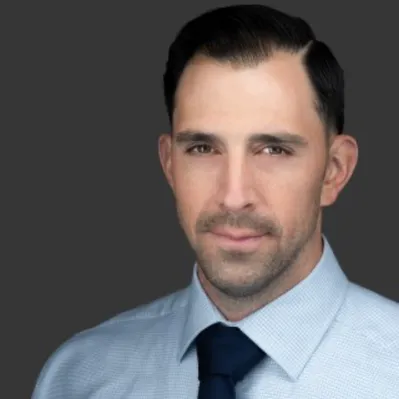
Justin Marti – Marti Law Group
Justin Marti is an attorney and the founder of Marti Law Group specializing in healthcare law and Mergers and Acquisitions. He guides practice owners and buyers across multiple healthcare verticals with legal foundations and strategies to propel businesses forward. A seasoned entrepreneur, Justin co-founded a dental group at 25 years old, grew it to over 45 locations across four states, and sold it in a private equity transaction. He then pivoted to law, using his extensive experience to help clients navigate scaling and selling their businesses.

Jonathan Eskow – Eskow Law Group
Jonathan Eskow specializes in all aspects of healthcare transactional matters, with a particular focus on corporate structuring, mergers, acquisitions, partnerships, and sales for private dentists, doctors, and DSOs/MSOs. Prior to founding Eskow Law Group, Jonathan worked as an attorney at Saul Ewing and also co-founded an enterprise software company. Jonathan earned his undergraduate degree from Brandeis University and his juris doctor from Cardozo School of Law.

Craig Woods – Dykema’s DSO Group
As Dykema’s healthcare mergers and acquisitions group leader, Craig Woods delivers best-in-class representation to buyers, sellers, and middle-market, private equity-backed sponsors in physician practice management (PPM) transactions. Respected for his legal knowledge and M&A achievements, he facilitates strategic relationships between providers, experienced business people, and new capital in the healthcare space.