


In this episode of the TUSK Practice Sales Podcast, Kevin Cumbus sits down with Kara McClanahan, CEO and Executive Consultant at Aesthetic Practice Partners, to unpack the operational playbook behind elite aesthetics practice performance and sale readiness.
They underscore the importance of building a business that’s ready to sell—even if you never plan to—tightening SOPs and culture for operational excellence, and aligning marketing with today’s patient behavior. From best practices in hiring and onboarding, to full-funnel tracking, and tuning EBITDA ahead of a sale, Kevin and Kara share practical moves that growth-minded owners can use to stand out and build a more valuable practice.

TUSK Practice Sales
Welcome to the TUSK Practice Sales podcast, the premier podcast featuring the industry’s most influential thought leaders, providing the latest insights and trends for healthcare practice owners across the globe.
Kevin Cumbus
Hello and welcome. Welcome back to our five-part series here, where we’ve been working with some of the best and brightest in the industry and gleaning knowledge from them on how to ensure that you’re building a business that is built to sell, irrespective of whether or not you actually ever sell it. Our thinking here is, let’s bring the best and the brightest to you, to educate you so you have a much stronger chance in ensuring that you achieve the goals that you’ve set out. We’ve had the privilege of talking with attorneys and real estate folks and HR folks over the course of time, and now we really want to talk about operations, because really that’s where the rubber meets the road. And I’m so excited today to have Kara with me. Kara, thank you so much for joining me. You bring over 30 years of experience to space. You have been here and worked with hundreds of groups, and now you’ve been kind enough to join us here on this podcast. So, thanks for making time.
Kara McClanahan
Thank you so much for having me. I’m so excited. Operations, like you said, where the rubber meets the road is my happy place and seeing practices grow. You also mentioned something briefly about building your business as if you were looking to sell. That is funny that you mentioned that, because I literally say that every single time I talk to a new client, whether you are looking to just scale or sell, you should be operating your practice as if you were going to sell every single day. And when we’ve adopted that mindset, it’s been a game changer. So, I just want to throw that out, that I love that this is our conversation today.
Kevin Cumbus
I have to ask what drew you to this space, what makes you most excited about this economy, this industry, and how are you able to kind of maintain the level of intensity, integrity, interest and energy that you bring each and every day? What’s the big driver for you personally in this professional space?
Kara McClanahan
So, I always say one of the one of the many charisms out there is passion drives performance. If you love what you do, where you do it, and who you do it with, you’re hopefully going to do it the best way possible. And we all heard that if you love what you do, it’s not work, it’s, you know, getting to enjoy your passion every single day. You shared that I’ve been in aesthetics for almost 30 years. My journey has covered from starting as an esthetician myself, which is really where I started, and learning very early on, that while I love skin and I love aesthetics, and everything beauty, I’m passionate about the operational side. I enjoyed the business side of the industry, and so I’ve been blessed that I got to spend almost the first half of my career, just over the first half of my career, managing medical aesthetics practices, so living and breathing operations every single day, from single location, single providers, all the way up to being the VP of Operations for an organization that had 60 practices nationwide, and watching them grow every single day. I’ve spent the second half of my career partnering with the industry, whether it’s been breast implant companies, skin care companies, medical device companies. I spent several years as the VP of Sales for medical device company, so I have like a literal 360 degree experience and view of our industry. And while some have said “And you’re still in it?” that’s exactly why I’m in it. Because I’ve got to see it from every angle. And what we do in aesthetics is not just making people pretty, but we’re changing lives how people feel about themselves. Many providers go into this business because they were passionate about a personal experience or something, and so I think I look at aesthetics as business. It is a business. It is a booming business when you look at the market, but it is a way to empower people and how they feel every single day.
Kevin Cumbus
Kara, you and I have so much in common. You know, I’ve been in healthcare for, yeah, close to, well, 25 years now, and like you, have been on the valuation side, on the operation side, in our inside of a large private equity backed group built my own practice at one point, sold it to an individual dentist, and since, have sold hundreds of practices to large private equity back to group. So, it’s, it’s a rare treat to get to meet someone that, frankly, has all those perspectives, right? A lot of folks kind of come through it through one channel, and I mean the wisdom that you have, just is vast relative to so many others out there in a rapidly growing environment like medical aesthetics is. Candidly where there’s a lot of money sloshing around, there’s a lot of people showing up that might not have the experience you do. So just thanks again for being here with us and sharing your truth and experience. I want to start with this. So, when we help sell and partner our clients with private equity companies or private equity backed groups, the first thing we do is really a diagnosis, right? We take a look at the businesses, financials, and get a handle on what the adjusted EBITDA is, what the growth trajectory of that business is, what does the payer look like? How are you when you’re working with the practice? How does that differ? How are you running a diagnosis to understand the health and opportunity of a client?
Kara McClanahan
Well, so I actually start with the financials first as well, I want to look at the numbers so that I have a baseline. I’m very analytical, and I really try and teach businesses and business owners and even managers to run their business from the numbers. So, we start with the numbers and looking at that deep dive analytic into what’s working, what’s not working, what’s coming in versus what’s hitting the bank account. And then how do we adjust our operational processes to improve that? And that’s really at the end of the day, is diagnosing. I love that. You can also use that word because, again, we take our cars in for annual maintenance, right? We, you know, take our bodies in for annual maintenance, but we don’t typically take our businesses anywhere for annual maintenance, and we are only looking at the health of our practice when we have a need to do so, when we’ve gotten unsolicited advice and someone’s put the bug in our ear that our practice might be worth something to sell, or we run into a hardship, right? So, we either are doing so well we want to sell our company, or we’re doing so poorly, we know we need to change something, and we very rarely look at it anytime in between. So, we actually at Aesthetic Practice Partners before we even write a consulting proposal or offer our guidance in any way, shape or form, we start with a practice assessment. It’s a deep dive; 360 it starts with the numbers. We look at the patient experience. We process map every single thing that happens from the time a lead comes in on our website, on our social, what is that front office experience? What is every single touch point? How are we getting patients to the door? How are we getting patients in the door? How are we getting them to come back and send all of their friends and everything that happens in between. What processes are we using? What products are we using? We used to look at products from a perspective of popularity and consumer demand. I look at products from a profit margin and efficacy, right? So, we look at things very, very differently, and we teach our businesses how to do that. So, the assessment is an annual wellness check on every area of our practice. We also do a marketing assessment because, let’s be honest, one of the things that you also mentioned is there’s a lot of money sloshing around. There’s a lot of people in the industry that have no industry experience. And guess who knows that more than anyone marketers, right? Yeah, and we’re going to walk in and we’re going to help you market your business, and all you have to do is give us $10,000 a month of your hard earned money, and we’re going to send you back patients that we hope they’re spending at least $10,000 a month. And that math doesn’t math for me. So, we really dive into marketing strategy. Most of the time, our marketing strategy doesn’t speak to our operational strategy. We’ve got marketing going out, but sometimes our front desk staff hear about it from the patients that are calling because they clicked on that ad. So, we really, really help them strategize and operationalize their marketing as well. So, it is a deep dive, immersion into everything, into your practice. And we actually don’t even offer consulting services until we’ve completed that valuation of the practice and then provided back to them. Here’s what’s working, here’s what’s not working. Here’s where we see areas of opportunity. Here’s specifically what APP could do for you, but we maybe have another partner that you need for another aspect, or maybe you don’t need anyone for this, I’m going to tell you how to do it yourself. So, we really, really try and be efficient also with the practice, because we know that, again, there’s people coming at practices from all different areas of the market, trying to help them. And it’s can very confusing, especially for providers that are excellent providers and may be a little less businessy.
Kevin Cumbus
It’s such a frankly, it’s a fresh perspective. We spend a lot of time and hours on the front end to understand the opportunity, the people and the drivers, and sink that time in free of charge, just so we can understand the opportunity, so we can help educate them to make a well informed decision, right? And frankly, we want them to want to work with us, and there’s some that we don’t want to work with too. So that’s a little bit of a trial period for us. It’s been a pretty fascinating time in healthcare over the last well, post covid, let’s just call it what it’s been, right? We’ve had the great resignation. We’ve had a way. Inflation that I think that what we saw is kind of the tide go out. You talked about good times and bad times when we were facing good times and the revenues up and to the right, it’s spend, spend, spend. Everything’s just fine. The tide has gone out. I would say it might be creeping back up a little bit, but it exposed some, let’s say holes underneath the water line that we didn’t know were quite there. And now we’re starting to see maybe some folks go I thought I knew what I was doing, especially some of the aggregators and some of the folks who were multi location owners that thought it looked easy, but now rates have gone up. Cost of capital has gone up. Cost of human capital has gone up.
Kara McClanahan
That’s right.
Kevin Cumbus
I’m curious what trends you’ve seen from a, let’s call it, from a national perspective, that you could share with our audience some learnings and some takeaways and maybe some to do’s based on what you’ve seen.
Kara McClanahan
Yeah. So, I think the biggest thing, and you’ve hit a lot of things like, there’s always going to be economical tides that shift, right? And we have a tendency to want to say, “Oh, it’s the economy.” You know? “Patients aren’t spending as much.” I think that one of the things, the biggest thing that I’ve seen, is consumer demand and consumer expectations have shifted. And so sometimes in our practices, we think that patients are spending less money, but what’s happening is we’re actually losing patients. There are more and more options, as well as patients are extremely educated. We have to remember that our consumer today has access to treatment information. They have access to, you know, scientific information. They have access to a multitude of different providers that are sharing their experiences. So, I think that what’s perceived as less, is a shift, because when you look at the numbers from the manufacturers, some manufacturers are losing market share, but other manufacturers are making up for it. And so yes, there is that economic, you know, tide that happens all the time, and we’re very cognizant of that. But I think that what practices aren’t realizing is the shift is sometimes less impacted by people just aren’t spending money by people are choosing to spend money elsewhere. It used to be that you went one place for one service, another place for another service. Now, will you want to be a one stop shop so that you’re not losing patients to other practices’ patient experience. And expectations are very, very high. And during the pandemic, a lot of companies spent a lot of time doing consumer research, and I think that we are now more in tune to what our patients want. So, I stay very on top of consumer research channels. New Beauty does a great job of things like that what a patient’s asking for, you know, what’s impacting their purchasing decisions. And so, I think the trend that I see in successful practices right now is they’re adopting based on consumer demand and trends that make a significant impact to the practice. Number one, I think that that’s just a misperception, is that people just assume people aren’t spending money, and that’s not the case. People are spending money. Now, patients are being more selective with the money they’re spending. So, you know, we might not be losing those patients, and economically, they are choosing priority treatments, priority outcomes, over “Hey, just tell me what to do, and I’m going to give you my credit card.” What they may have used to do right? So, they are being more discriminatory there. But I think that that’s just one trend. The other thing is, I think that a lot of this is exposed, that when things are going well, we’re just out there doing it. We’re doing it every single day. Our schedules are booked, leads are coming in, and then when the tides shift, it exposes our underbelly of not really being prepared for tides to shift. We realize that we don’t have our systems in place. You know, our marketing channels weren’t queued up for the shift in, you know, both economic but also consumer preferences. We’re out here marketing something that we’ve been marketing because it’s been working, but patients are no longer asking for it. We don’t have the processes and the systems for patient recall, focusing on patient retention. We’re not measuring data, because we see money in the bank, we see patients calling and scheduling appointments and not really using that fundamental like breaking it down to the simple basics, our SOPs, our processes, how we’re tracking things. And I think that what’s really happened over the last five years is we had this influx. Everything was great, even with new med spas popping up. You know, we just really relied on everything was working until it wasn’t. And practices that had their structure in place, they had their house built, they saw less of an impact. Of course, we see it right, but we see less of an impact. But the practices that really just were kind of flying by the seat of their pants realize that those processes, those systems, that structural foundation, our SOPs, our staff, training, like all of these things, have now been dramatically impacted by our lack of structure when patients aren’t walking in the door.
Kevin Cumbus
Yeah, I’m hearing two common themes here. One is, you got to have your structure in place. You got to have your SOPs. You got to have things you can lean on and look to support the business in good times and bad and now, nimbleness really matters. The market is moving quickly. Customer choices are changing. Frankly, we’ll touch on marketing in a minute, but Google ads don’t work the way they used to thanks to artificial intelligence, right? So it is the rate of change in the economy today is faster than it has ever been, and what got you to this point today certainly will not serve you going forward, it’s kind of like 100% everything has changed, and that’s why you need to go in for these annual checkups to go, “Oh, wait, I’m still using the marketing playbook from 2020. Oh, it’s 2026 and chat GPT came on the scene three years ago. I am way behind.” So, it’s, it’s really just kind of waking up to it, it’s an opportunity. It’s a new opportunity. But we really need to readjust and recalibrate into where we want to go based on the fact pattern that we’re seeing today in the economy.
Kara McClanahan
Absolutely.
Kevin Cumbus
So you touched on the growth of let’s talk about med spas for a minute, because they’ve been the fastest growing, really healthcare service line in the US economy, growing at 20% per year every year for the last five years. I mean, it’s, it’s been remarkable to see that growth rate. And those who came out of the gate relatively early probably got away with a lot of, as they say, revenue held sins right? Getting away with some, some early mistakes. But it’s not as easy to do that today. What would you tell an entrepreneur who is looking to build their business today, what are kind of the foundational cornerstones that they need to make sure that they have in place before they go ahead and take that loan out or sign that lease? What has to be in place to ensure a higher likelihood of success?
Kara McClanahan
Number one, know the industry, right? There’s so many people that see the dollar signs and think, you know, especially people that maybe come from an actual healthcare background. “Well, it’s not any different than running a physician’s clinic.” Which is pretty it’s elective. It’s very different, the business model, everything. So, know the industry. I coach practices all the time that are considering opening their own med spa. I work with investor groups that are looking to acquire and they’re coming out of left field. I’ve got tech guys that are like, we want to invest in med spas. Well, what do you know about med spas? Right? Like, what do you actually know? And so, I think number one even providers, it is drastically different being a provider in an owned organization than going out and starting your own and so really know the industry and also take the time to understand the business and the business side. And this is like your SOPs, your business systems, your practice management system, your CRM like all of the foundational pieces of building before you even start opening your doors, understand what that looks like from both an investment perspective, a tech stack perspective. I see so many people that go out and they buy this and they buy this and they buy this, and now they’ve got 19 things they’re paying for when they only needed two really good ones, three really good ones. The same thing happens with products. There’s a lot of confusion in the marketplace, by the reps walking in the door and every product, treatment, service, device, is a shiny new and theirs is their best. Do your due diligence before you decide to open your doors. Take the time to understand the industry, understand the numbers, understand the products, the services, the treatments, what are the differences and the foundation of what we do? I’m working right now with a group of practices that is like 10 years in, and they still don’t know now they’re, you know, 30+ practices, and they’re going back to the basics that we wish we would have done from the beginning. The second is the structure, again, going back to the SOPs and the processes and systems, putting that house in place, right? Putting that foundation in place, because it’s going to drive everything else. And then secondarily, who you put on your team, or, I guess, would be third, who you put on your team matters more than the services that you provide, right? Who’s delivering those services from the front desk to the providers, and how you build your team to run your business.
Kevin Cumbus
Yeah, let’s double click on that. I’ve got a confession to make. I started a business, a dental business, a couple years back. I did the work, right? I knew the industry really well. I built this spreadsheet that shows revenue coming in and stacking up and spending money on marketing and advertising. I even had, like, a tax differential in there, and you start to stress test it, like, if revenue’s down 20% or up 20% what does this mean? And had the debt that was going to cost to get the practice up and running, and the interest, like everything you can imagine. And I stress tested that model for weeks and weeks and weeks, and finally I got comfortable. It’s like, okay, I think I’m good here. We took out a personally guaranteed loan, you know, close to $700,000 and by the way, if you don’t pay that loan off, they’ll take your house, that’s what a personally guaranteed loan means. So, we take out that loan, we open that business. And what I didn’t factor in Kara, something you just mentioned, is the people, right? And all of a sudden, I’m employing this whole team at the front, at the back, a provider. And I’ll tell you what, that’s the hardest part of the business that was in a good economy. I want to really focus on the people side of this and the culture side of this, because it every provider we talk with, every business owner we talk with, be it one location or 20, has always said, “Well, this is this is my biggest pain point.” It is my most expensive line item, and I feel like it’s only growing, and I don’t know how to control it. Tell us what you’re seeing in your world, and the guidance and advice that you’re providing your clients these days on that front.
Kara McClanahan
Yeah, so it is the biggest investment in your practice. It also is the single department that makes the largest impact on your patient experience. So, it costs you the most money, and can also cost you the most patients, right? So, investing heavily in your staff means more than hiring with the best salaries or packages benefits, compensation, all the incentives that come along with it. When I hear practice owners talk about the cost of their staff, that’s what they think of. They think of the salaries, they think of the benefits, they think of everybody wants free Botox and all of those things that come along with this. When I think of investing in your staff, I think about investing in resources. So oftentimes we don’t have the privilege or the bandwidth or ability to slow step the hiring process. Somebody left, we have a position to fill. We need someone in here. Now, I would say, hire slow and fire fast. You really have to set your team up for success. So, one, the hiring process needs to be really, really buttoned up so that you’re making sure that you’re matching that person’s profile, like, who are they as a person? Do they fit our culture? Do they have strong beliefs? Are they passionate about what we do? Right? I think that the better you can vet your candidates, the easier it is then to train them and set them up for success, so where you can lean on any resource to make sure that you’re hiring right, and when you have the ability to do so, take your time and doing that. And because, again, gut tells us, “Oh, I like her. She’s going to be a good fit.” But did you, I, this is a perfect example. I’m doing some phone screening for one of my clients in a plastic surgery practice in California, and the office manager was so excited, she sent me a resume for a front desk person that’s going to back up the patient care coordinator, kind of like a secondary person. And she had asked her all these front desk questions, and she loved that she was bubbly, she loved that she was energetic. But then I started asking questions like, “Well, how do you like to be managed?” “Well, I don’t do well with micromanaging, and I don’t like rules.” Oh, right, okay, well, the office manager should have asked that question, you know, or “What is the culture that you thrive in?” “I like happiness and sunshine.” Like it’s great you live in California, but what? That being said, like, they loved her because she was bubbly and energetic, but they didn’t get to asking the questions of, how is she going to mesh in our practice. We are an upscale luxury brand plastic surgery practice with a very dominant A+ type personality surgeon, as many of them are, with a very luxury, high brand clientele. I can’t have somebody at my front desk singing sunshine all day long, right? We’re polished. That’s just who we are. That’s our brand. But the practice down the street might have a different persona. So, are you identifying people that fit with your practice, not just skill set, but really diving deep into are they going to fit into our culture? Are they going to fit…that’s number one. Take the time there to find the right people, and then do your duty as an employer. If it’s your responsibility to build and support your staff, you need to give them the tools, support and resources to do so. And ensure that they are properly set up for success. So, have your training processes and procedures again completely buttoned up. You have to know that you have a good onboarding plan. You have to give them time to get acclimated, to learn their their role. Whenever I’m helping clients hire, sometimes 90 days in, I get, “Gosh, Kara, I don’t know, why she’s just not working out.” And I’m like, “But how did you train her?” And then we find out on day three, they were answering the phones. Those first 90 days, it’s like the patient gets the first experience might be on the phone, more than likely it’s on the website, because we live in the zero moment of truth world where they’re doing so much homework before they even pick up the phone, yeah. But every one of those interactions matters from a patient perspective, and you have to look at it the same way. For a new team member, absolutely. What is that first day like? How are they prepared? Who’s taking them out to lunch? What is the meeting cadence going to be? On and on and on. And if you, if you sink the time and energy into it. We know how hard and time consuming and expensive it is to go through the process of finding that person and to not and that’s, let’s call that 85% of the work, but not do the last 15. And if you missed that last 15% of the work, you’ve really done yourself and them a disservice and that’s going to reflect in the patient experience.
Kevin Cumbus
Absolutely. So, I love the focus you put on culture. And we are hearing from more and more folks about “Hey, this culture stuff used to be kind of soft to me. I didn’t quite understand it, but we certainly believe culture drives value.” If you have your core values, you hire and fire through your core values, and more importantly, your culture is a place that you believe in. It comes from your heart, and your team sees that and wants to be a part of it. Financially, it’ll decrease overhead, but in turn then operationally, it’ll just be a much more fun place to be. So, we see it manifest itself in valuation all the time,
Kara McClanahan
Absolutely, and I’m sure. I talk to practices all the time that one of their biggest challenges, they’ve they’ve spoken to a broker, they’ve talked to private equity, and they loved them, but then they saw some of the things that were again manifested by driven from that culture, that performance of the overall practice, and didn’t understand how important that was to their operational structure.
Kevin Cumbus
Oh yeah, it’s critical. Yeah. I just say one more thing on people, then we’ll pop to marketing, the second highest expense on the income statement, on the people side when, when we are talking with prospects, I would say pre-covid, we heard things like, “My team this. This is my group. These are my gals. This is my group, My team.” And now we’re hearing more and more “These people, they’re holding me over a barrel.” And I tell you what, it’s real hard to sell a business when the leader is talking about their team as those people that divisiveness can be felt by buyers. Those buyers are trained to identify risk and ask the questions, to kind of peel back the layers of the onion, to get to that qualitative stuff that doesn’t show up in an income statement or on a balance sheet, or in a production run, it just doesn’t show up. So, just know it’s worth the investment.
Alright, let’s click over to marketing for a minute. We know these marketing groups have shown up and they say, “For $10,000 we’ll get you this type of return on investment.” Good news on marketing and advertising: it is easier to track than ever before. Bad news on marketing and advertising, I don’t believe most people are tracking it or understand really, that link between $1 spent to a phone call, from a phone call to a patient reservation, from a reservation to a visit, from a visit to a case acceptance. The patient showed up and so it’s the beginning of a relationship. Kara, what have you seen over the years, the most recent two or three years, trends in marketing and advertising with respect to as a percentage of total revenue? And then let’s think about the expense as a pie chart. Where do you want to see people spending, if I’m going to spend $100,000 a year, where should I allocate those dollars?
Kara McClanahan
Yeah, so number one, before you spend any heavy investment, we have more tools available to us than we ever had before. Like you said, practices are not tracking, not only are they not effectively tracking their actual marketing spend in the proper ways, they’re also not tracking, most likely, the patients until they actually schedule their consultation. They know their number of leads, but they’re not tracking the business. The process is enforced. Use tools available to you. A lot of the PM systems now have incorporated CRMs. If your practice management system does not have a fully integrated CRM, there are CRMs out there that work alongside so that you really, really have trackable, trackable data to specific campaigns. And so, number one, you have to track it. You have to have to have to track it. If you don’t know how, you need to find someone that can teach you how. And because that is a number that that gets away very, very quickly from you, and also tells us how we should operate, right? So that that number, if I always say there’s, there’s two things with marketing, external and internal, right? If you’re not getting patients to the door, you have an external marketing problem, and you need to understand what that looks like, what the lead volume looks like, you know, are you getting a ton of clicks on your website, but no one’s actually hitting that contact form? That’s a data point. What do I need to do? There’s something wrong with my website, right? It’s not exciting. It’s not telling a story, you know, or you’re getting people from social. Over 33% of the patients nowadays are contacting us directly from social.
Kevin Cumbus
Say that again.
Kara McClanahan
33% of patients, and that was a stat that came out of a New Beauty magazine, a New Beauty consumer study, and they’re doing a lot of great consumer studies right now. 33% of people said that they found their aesthetic provider on social media. They were going to the website, but now they’re just contacting practices directly through social. Instagram still is the number one nowadays. It used to be, and if you would have asked me two years ago, a year ago, I would have said, it’s great for branding and it’s great for awareness, and it’s great just for fun, but it’s not actually driving patients to the clinic, but now it is. Now it really, truly is so again, but if you don’t know that, if you’re not tracking properly, how do you know that? So, are you getting patients to the door? Are you getting patients in the door? So, tracking the patient, the marketing funnel, this is where in a CRM comes in. This is why it’s really important to have that data. And also, the great thing about that is, guess what? Our marketing just got, especially in med spas, just got a lot less expensive. Because you know what the cost of advertising and marketing is on social compared to what we used to do with high paid, high targeted Google campaigns, Google Ad words, all of this huge spend, so we have tools available to us now that allow us to actually decrease our marketing spend and allow us to be much more effective with our marketing messaging And this is where the disconnect is with agencies is they’re telling us to spend more money to get more leads. But let me ask you this, if you have 100 leads, and you’re only converting 10% and then of that 10% only 50% is actually scheduling a point or like booking treatments, your conversion rates ridiculously low, off that whatever $10,000 spent, but if I spent half as much money and targeted better quality leads. Now I’m only driving 50 leads, but I’m still getting 25% or 30% of those to get in the door, and then I’m booking 60, 75% of those. I’ve spent half as much money. I got half as many leads, but I drove twice as many people in the door.
Kevin Cumbus
Yeah. And I would, I would just do a double click a layer deeper, like, what is the quality of the lead, or people who are simply coming in for the Botox day, or getting the people that are actually coming in for a full assessment really want to become a patient for life and really buy into the philosophy of that practice.
Kara McClanahan
And that’s, again, that marketing funnel and how you handle those leads. If the marketing you’re putting out there is driving low-cost client value, what do you expect that retention to look like? What do you expect that conversion to look like? Oh, but it’s drawing lots of patients to the door, but it costs you as much money, not profitability. No, no. Do I want my schedule full of patients that are spending $200 on cheap Botox? Or do I want my schedule full of patients that are getting total transformation? So your marketing has to drive the behavior and drive the consumers that you want in your doors. Newer practices need entry level patients, right? You’re going to spend, I just had this conversation with a new client this week, in your first five years practice, you’re going to spend a significantly higher amount of money on marketing, because you’re trying to build your brand, you’re trying to drive those patients, but as you’ve done that your processes, your systems, your people, your retention, your referrals, your recall, is driving your schedule, your existing patients have much more value than new patients to the practice anyway, we don’t want to not have new patients, but existing patients spend 60% higher than new patients. It costs less to keep them in the practice than to acquire new patients. Yet, we spend 90% of our time, energy and marketing dollars, on getting new patients in the door. We’re letting our existing patients walk out right.
Kevin Cumbus
The back door is wide open. So, you’re losing the great patients because you’re not paying attention to them, you’re not nurturing them, you’re not taking care of them. Yeah, that new patient per month metric has been bastardized so many times. Look, it’s the metric that the marketing companies can drive, right? They’re like, we can control that one after that, it’s up to you. So, you’re going to pay us on new patients. And if you’re paying someone as much as you’re paying them, you do start to ignore that back door, because that’s not where you’re sinking money, and frankly, that’s not how they get paid, or you get measured. I’m so glad you brought that up. We see it across all of healthcare every single day. And we ask, what’s your attrition rate? And we get these blank stares, right? Well, let’s look at your patients. How many have not been in in 12 months? How many have not been in 18 months or 24 months? And then they see that they can actually run those reports, and that’s when the jaw hits the table and they know, oh, I had no earthly idea you’ve already paid to bring them in practice. It’s fascinating. I got a question on social for a minute for your successful businesses that are, that are really there, where 30+ percent of patients are coming in through social how many of them are doing that on their own? And how many are outsourcing that work, or a portion of that work to some vendor or some agency?
Kara McClanahan
Ooh, you know, that is a hard question because it’s so varied. It’s very basically on practice size. To be honest, most of my smaller practices are doing it themselves, and some of them that are doing it themselves happen to find a unicorn who is an amazing patient care coordinator or front desk, or they have a provider, or they themselves as an owner, love social media, and they do it really, really well and so but I would say that is the smaller fraction. I would say nowadays, it actually is much more cost effective to outsource social media. And I know that I get 50/50 with my colleagues, like I have friends in marketing that are like, “No, you absolutely have to do it yourself. No one can tell your story like you do.” And then the other ones that say, I can partner with you to tell your story. Yes, I need content from within the practice, but strategy and time, if I can pay an agency, a really reputable one, that’s going to work with us and help us drive strategy, which is how we get to that 30% of our patients are coming from social and I don’t have to spend, you know, 10-15, hours a week doing it myself. There’s recording the content, there’s editing the content, there’s creating copy, there’s now I’ve got to like Master Canva and all the different things, right? So that their time costs more than that cost to agency. So, picking the right agency is important. Someone that can help you tell your story, and they can help bring that out. I tell all of my larger practices, a social media company and or partner is going to cost you the fraction of a cost of an actual employee, depending on the size. They come in once a month, once a quarter, they film bulk content, and they help you build strategy. You’re a physician, not a marketer, and again. So, it just really depends on the practice need. I would say my practices are 50/50, with ones that do it internally and ones that do it externally. Now with the APP clients, we help them write their marketing strategy. We don’t do marketing. We operationalize and we create strategy. So, the ones that do it themselves, at least they have guidance on strategy and the ones that just simply don’t have the bandwidth or the talent within the practice, we pair them up with the right agency that we’ve created relationships with we know work really, really well with our practices. So, I’d say there is no right or wrong answer there. It depends on you, your bandwidth, your area of expertise, your staff, and how much content you want to get out there. Content should be educational. There is an actual art to what you should have. You know, how many posts, how many reels, what should be on your feed versus what should go in your stories? You know, all the things, there’s an actual science now behind social media that didn’t exist 10 years ago.
Kevin Cumbus
Well, we didn’t have the data we have now. They’ve tracked every piece of data available since, yeah, since the dawn of the business. I know you’re not a marketing expert, but that’s quite a pearl you drop there, that is fantastic. I guess my big overarching question, and kind of layering this in through operations, marketing and people and customer experiences in a sea of medical aesthetic businesses, is How do I stand out? How do I attract the patient I’m looking for? How do I be true to myself and frankly, how do I make money in this environment that is so competitive, where the patients are doing more shopping than they’ve ever done before making a buying decision. What’s your advice to folks on how to be different and stand out in this in this world?
Kara McClanahan
Yeah, well, the not simple answer is, there’s not one thing. There’s multiple things you have to be doing, right? So, understanding what your value proposition is. I know it feels like an overused word, but it really, really is meaningful. What is your value proposition? What is the fabric that makes you different, and being able to tell that story in office with your processes and systems when patients walk in the door? Is it relaxing? Is it calm? Is it easy? Does it feel frenetic as the phone’s ringing and everyone’s going here and running late? Like you have to build your identity and then also attract the persona, like, build your patient profile. What, who is your patient? You know, what does that look like? And then you create the marketing to attract that patient and having processes and systems to fall back on. You know, data, SOPs, systems, proper training, like all of the things, are the things that make a difference. Because, again, that’s what sets you up for success. So, when patients walk in the door, we know what they’re getting. We know that what they’ve been interested in. We know what products that they should be refilling, because it’s been three months since they bought that serum or that cream or that SPF, we know what their intake forms say. We know what their goals are and having all of the systems to help support that so it doesn’t feel frenetic. Know who we want in our doors, who we don’t want in our doors, and training our staff. So, like there’s there is not one magic thing that you do to differentiate yourself. You have to master all of those things. And I know it sounds really complicated, but the reality is, it’s actually not that complicated. You dive in, you see what’s working, what’s not working, and you identify where your pain points are, and give yourself a little support or processes and systems to fix that. Patients will notice the difference. Staff will notice the difference.
Kevin Cumbus
Yeah, I think it just feels overwhelming to a lot of people. There’s, there’s so much to do. And frankly, we have a coach inside of our business. We run systems inside of our business. We lean on them weekly, monthly, quarterly, because there is a lot going on. So, I think of the new business owner who is drinking from the fire hydrant, has that personally guaranteed loan, is working on getting that next Botox patient. And just to cover the note saying, I don’t, I don’t have time for that. And I guess my reaction to them would be, you need to make time for this.
Kara McClanahan
Yeah, you don’t have time not to do it.
Kevin Cumbus
Yeah, because every minute you don’t do it, you are putting your business and your cash flow, and, frankly, your personal balance sheet, more and more at risk. These are simple, but not easy, pieces of advice that you’re given. And I would say there’s an order and a roadmap in which you need to knock these things down and have an accountability coach to hold you accountable, who’s got the Wisdom, who’s been there before, who’s done this before, and can challenge your way of thinking, just as business owners entrepreneurs, we can get focused, and we like to run 110 miles an hour, but if we’re three degrees off in running 110 miles an hour, you’re going to be way off course when you pick your head up 90 days from now.
Kara McClanahan
And I think keeping it simple for yourself too, like you have to give yourself organization. And it is a lot. It is overwhelming, but we over complicate it because we don’t know where to start. But if you start somewhere, and you give yourself kind of that, that blessing to go slow and or go fast when you need to, and also, like you said, the accountability, even if it’s not partnering someone like someone with APP, or a true consultant. But I also think people get intimidated. “I don’t want to expose myself, I don’t want to be vulnerable, I don’t want to ask for help.” That’s human nature, but there’s a lot of different levels of coaching, support and accountability. It doesn’t always mean like an APP, but maybe that’s exactly what you need, because that’s what you need. So, I think just understanding where you are in your journey and what your goals are and understanding that, like you said, you don’t have time not to do it, that we’re in too heavy of a market. There’s two fast moving, you know, environments going on here, and you don’t have time not to do it.
Kevin Cumbus
Yeah, I’ll kind of put a cap on this, this piece of the conversation, by saying this. I’ve learned over time that vulnerability is the new superpower, and if you can get comfortable enough to get vulnerable with another leader, coach, person that you trust, no, no and really cherish their feedback, the benefits far outweigh the risk you’re taking off just simply by being vulnerable, absolutely and the cost of it and the cost of it, so care will run a little up against time. Here we’re always asked, “Hey, I’m about 12 to 24 months away from a sale of my business. What should I do now? What? Where? Where can I focus my time and attention?” We luckily, would say the best deals that we do are the ones who come with come to us 12 months in advance and allow us to help them window dress the financials a little bit right? You don’t sell your house. The first person who walks in when you have laundry on the floor and you’ve got dust in the corner, so there’s some work that you need to do before you show your house to the market. If I’m coming to you and saying, “Listen, I’ve got this incredible practice, and I just want to make sure I tune it up and get ready. Where are the areas for improvement that you see? Where’s the low-lying fruit, or what’s the diagnosis you would do to help me prepare for this life changing event for me?”
Kara McClanahan
Yeah, well, what is the most important in a practice sale the almighty EBITDA, right? And there’s two ways to two ways to have profit or increase your profitability or increase your EBITDA, right? So, you increase your revenue and you decrease your expenses. So those are the first two places I always tell practices to look and then systematizing and operationalizing like their patient experience, understanding every single touch point like we kind of talked about early on. So, looking at your profitability, you know, decreasing expenses, increasing revenue. What does increasing revenue look like? That probably ties back to patient experience and marketing and just operational efficiency. So, start with the easy things. Which are the data points? How can you decrease your expenses? Where can you control costs? Where can you impact the profitability and what processes are you missing?
Kevin Cumbus
Smart. I love it. Kara, this has been incredible. How can people find you? How can people learn more from you? Where can they find out more about your business and contact you directly?
Kara McClanahan
Yeah, so Aesthetic Practice Partners is the company. So just our website is the best, best place to first go. We, in addition to traditional consulting, we host workshops, webinars, a lot of different practice resources, because I believe education is so important. I wish that I had some of this education available to me as a practice administrator many years ago. So, start with our website. Be sure to check out our webinars, our events. We host in person and virtual workshops for practice managers. And you can kind of see all of our events there and catch me at many industry events where we’re speaking and or partnering as well.
Kevin Cumbus
How many nights in hotel rooms this year, Kara?
Kara McClanahan
I am at 89. I’m on the road the rest of this week I’m in Dallas. I will fly from Dallas to Nashville to South Carolina before I head home on Saturday, and so I’ll be at 92 by the end of this visit.
Kevin Cumbus
Congratulations.
Kara McClanahan
All doing what I love. Passion drives performance, right?
Kevin Cumbus
Passion drives performance. Kara, thank you so much for joining us. I look forward to seeing you out on the road.
Kara McClanahan
All right, see you soon. Bye, bye, thank you.
Kevin Cumbus
I’ve spent a lot of time with APP, got to know Kara over the years, seen her speak on stage, and, I mean, she just delivered. I’m kind of still reeling from what she shared there. There’s some real big keynotes there here that I want to call out. One is that analogy she used about annual wellness, I just booked my, you know, a dental appointment. I’ve got a vision appointment. I’m going in to get my physical. Of course, you need to be doing this for your business. Of course, you do like it is, it makes perfect sense. But my goodness, this is your largest income producing asset, and likely your most valuable asset. Of course, you need to do an annual checkup. So that, that was the first thing that resonated with me. I hope it did as well with you. Number two is when we were thinking about the marketing side of the equation, for her to call out 33% of new patients are coming in from social was huge. This is very specific to an aesthetic style business, I would think that is let’s just call that what it is. It’s really electives. So plastic surgery, dermatology, I would even like think about orthodontia. I would also think about like, anything to do around even like implants, right? So, anything around that world where it’s about self-improvement, social media really, really matters. So, the great news there is it’s a lot cheaper than Google ads and Google keywords. The hard thing about that is it is a continual drip. So, you got to be consistent in your message. You got to be consistent in your delivery, and it’s got to look good. So, it feels like that is an area where dollars should be shifted in your marketing budget to account for this shift in where new patients are coming from and then on new patients versus existing patients. Existing patients pay 60% more, on average per year than an existing patient. So, you think about the front door, spending a lot of money to bring people in the front door, but we got to make sure that back door is closed and on the spending. One thing she called out, which we all know, but it’s always worth double clicking on, is internal versus external marketing, if you don’t have the systems, the people, the culture, right on the inside, there’s no amount of spend that can fix that, and so don’t spend money in trying to attract new patients. If that internal marketing machine isn’t working, the internal marketing machine is, is, how are you greeted when you walk into the practice? How does it feel? How does it smell? What’s the look? What’s How does it make me feel to interact with your team. That piece has to be rock solid before you want to invest on the top end of the funnel, which is your external marketing. Final thing is the nimble are the ones who are going to survive here and for you, smaller growing businesses out there, not the lumbering old giants. You actually have an advantage here, where you can move quickly, you can shift your strategy, and you can take advantage of this so your size, and for those of you who are probably what, less than $10-$20 million in revenue, have a distinct advantage over businesses that are much, much larger. They have more red tape, they have more regulation, they have more decision makers. They make decisions by committee, and you, the entrepreneur that likely is surrounded by great team members and great leaders and probably partners, can move much, much more quickly, and that is a distinct advantage in this rapidly changing environment.
Kara was awesome. I look forward to having her back on I hope you all got as much of it from her as I did, and we will certainly be having her back. Kara, thank you. Thank you. Thank you. Y’all take care see you next time you.

Kevin Cumbus – TUSK Practice Sales
Kevin has worked in the healthcare industry for close to two decades. He has valued and sold over 200 dental practices, worked in operations and business development for one of the world’s largest DSOs, Affordable Dentures, successfully founded and exited a dental practice, Mundo Dentistry, and today is the President of TUSK Practice Sales. TUSK is the premier Healthcare M&A Advisor helping owners maximize the value of their life’s work. He earned his BA from Washington & Lee University and MBA from Wake Forest University.
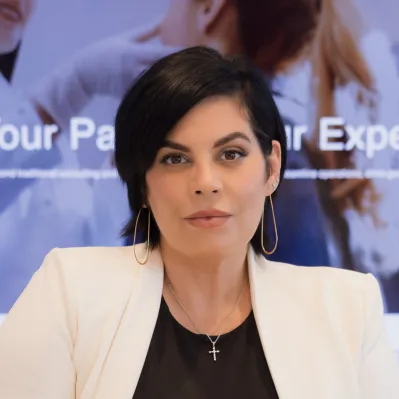
Kara McClanahan – Aesthetic Practice Partners
Kara brings nearly 30 years of experience to the aesthetics industry, beginning her career as an esthetician and spa manager before founding Aesthetic Practice Partners in 2013 and KDS Consulting LLC in 2004. Her expertise spans neurology, primary care, dermatology, and plastic surgery, with the last 16 years devoted to cosmetic and aesthetic medicine. She is one of the few individuals who are ‘Board Certified Medical Practice Executives’ by the American Medical Group Management Association, with academic training in Business Administration and Health Care Administration, along with certification as a Wellness and Professional Coach.